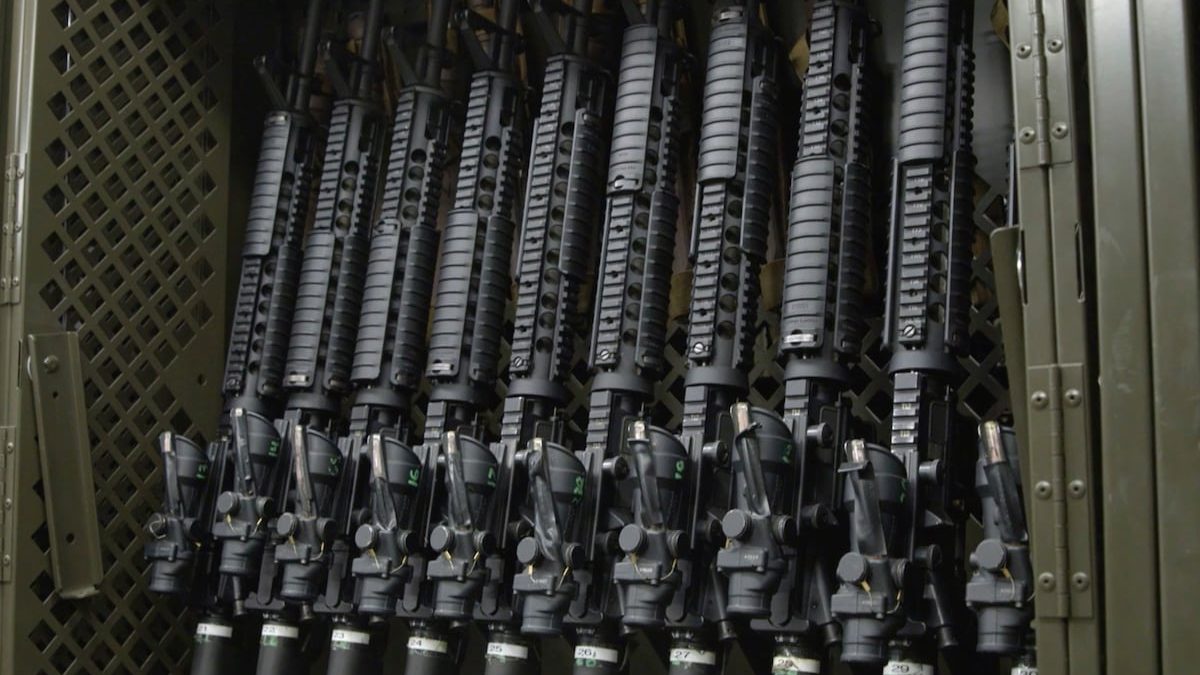

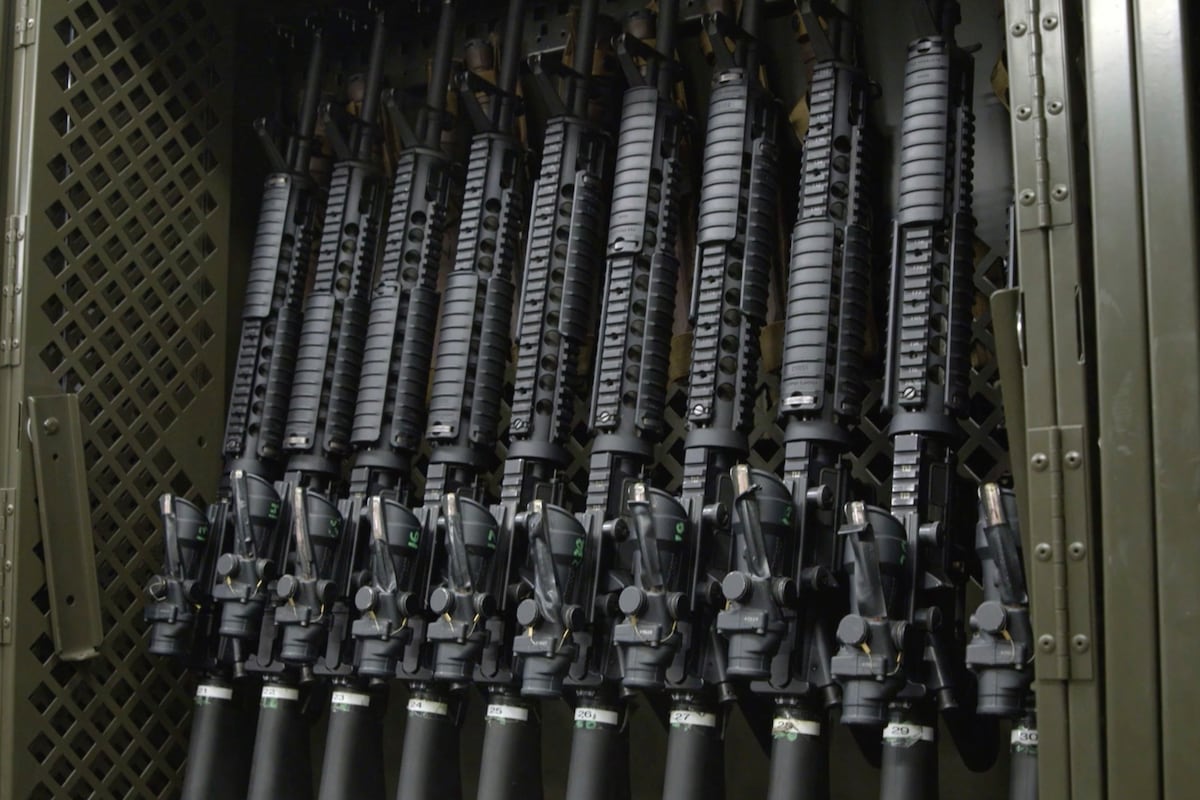
Marine Forces Special Operations Command is partnering with SOFWERX, the public-private technology hub for companies wanting to work with military special operations, to modernize armory recordkeeping.
SOFWERX, in collaboration the Marine Forces Special Operations Command, or MARSOC, is hosting an event in mid-September to develop ways to replace manual steps for documenting serialized inventory with digital and automated tools.
The July 27 announcement said the event’s purpose is “to design a secure, zero-signature automated armory that relies exclusively on optical recognition and computer vision.”
But here’s the catch: the tools cannot use RFID — the most common technology for tracking inventory — or active Bluetooth or radiating digital transmitters.
“Instead, this event challenges industry partners to develop a passive, image-based inventory system where weapons, gear, and serial numbers are automatically tracked, verified, and logged simply by taking a digital photo or scanning an optical image as items enter or exit the facility,” the invitation said.
It explained that the current process requires a person to manually inventory weapons using handwritten forms, resulting in repetitive data entry and multiple independent records.
“These processes are labor intensive, susceptible to human error, and consume significant man-hours while increasing accountability risk,” it said.
While eliminating “slow, legacy paper-based workflows and human-error bottlenecks,” the desired application would guarantee “absolute property accountability without exposing our facilities to electronic detection.”
Around 2010, the U.S. military began using RFID tags as a practical and simple way to keep track of weapons, but later discovered the technology can pose a major security concern.
An RFID tag, like the ones used by the military, consists of a microchip and a small antenna and does not require a battery. It is programmed with a unique ID signal that can only be activated by a reader.
Once a tag is read by a reader, that reader can be used to continue to track the weapon or clone the ID signal, creating a security risk.
Companies interested in attending the event must submit a request by Aug. 16. While the initial meeting will begins Sept. 17, additional events are planned throughout the year and and will conclude in December.
Daniel Terrill is a contributor to Military Times. He’s been reporting on military issues, the gun industry, and the outdoors for nearly two decades. Although writing is his passion, he’s been a Marine, police officer, and, perhaps the most dangerous job of his career, a substitute teacher.
Read the full article here