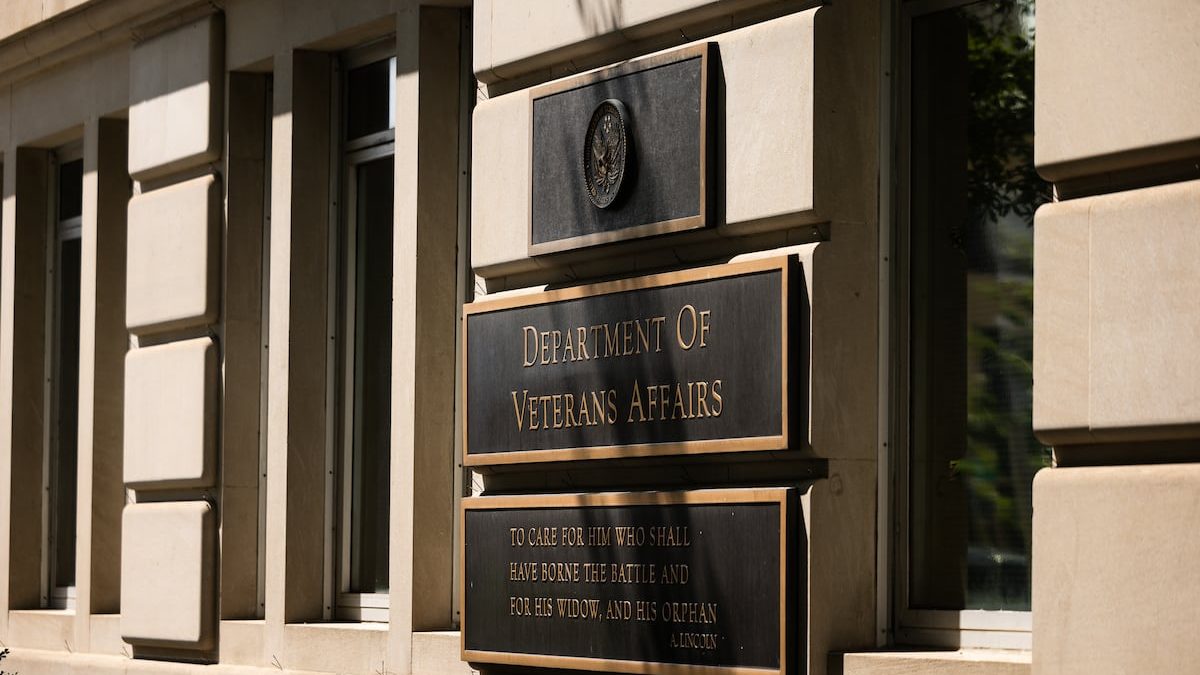

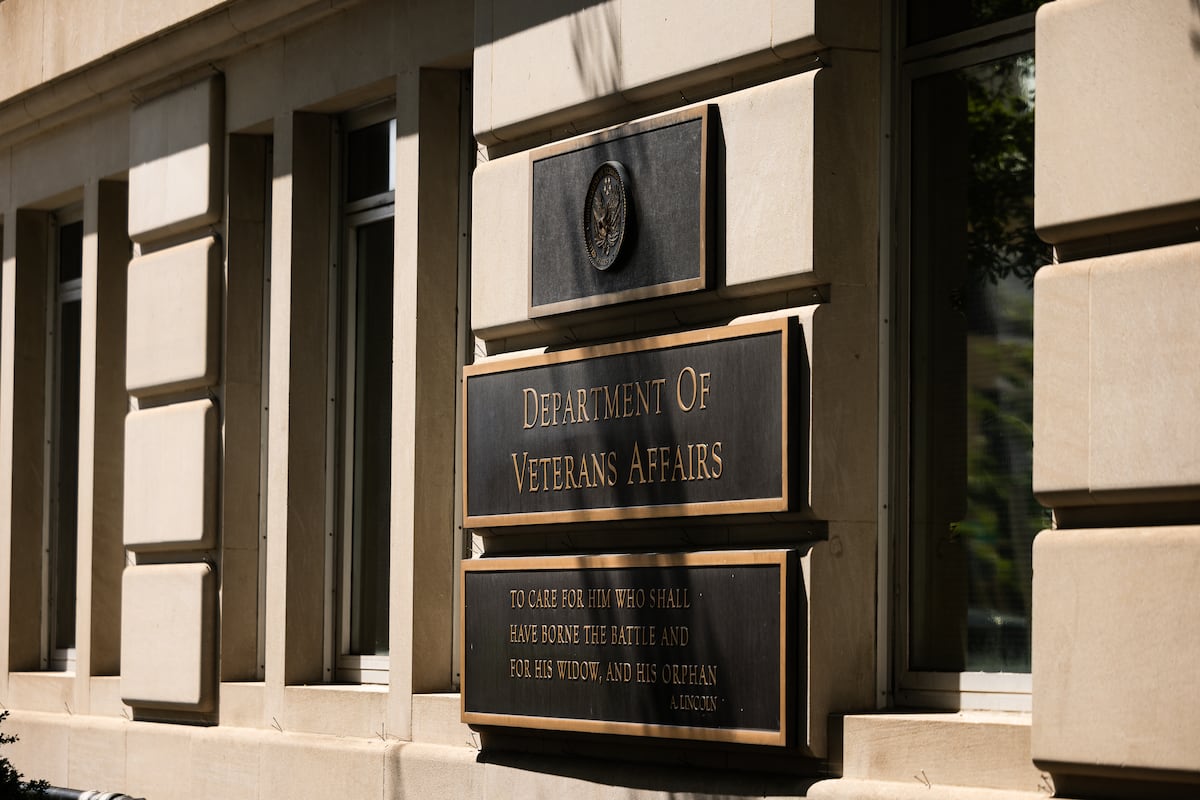
The Department of Veterans Affairs is developing a tool that will analyze veterans’ disability claims applications for fraud — a program VA officials say could identify providers or companies that abuse the system.
The tool will not, however, be used to pursue potentially fraudulent past claims, a concern that arose recently among veterans following a congressional hearing that divulged the program’s development.
Using a Microsoft data analytics program, the VA program will use information gleaned from forms known as Disability Benefits Questionnaires to identify patterns in language or omissions that could indicate fraud.
VA Press Secretary Pete Kasperowicz said the effort, expected to be rolled out sometime this year, is designed to detect filings from companies that pose as legitimate medical providers or file claims on behalf of veterans and charge them excessive fees.
The number of for-profit companies that assist veterans with disability claims has skyrocketed since 2006, when criminal penalties were removed for those who charge veterans for the service. The PACT Act — the landmark legislation that expanded disability benefits to millions of veterans exposed to burn pits and other pollutants — also has presented these companies with business expansion opportunities.
While these companies market themselves as helping veterans navigate the challenging VA claims process and get appropriate disability ratings, veterans’ advocates say the businesses, which they refer to as “claim sharks,” prey on veterans and charge them exorbitant fees.
While veterans are permitted to hire companies or attorneys to appeal claims decisions, the law prohibits anyone from charging for assistance with initial filings.
But that hasn’t stopped for-profit companies from stepping in. And while some may offer legitimate services, others have been targeted by the VA as bad actors. In December, the department sent “cease and desist letters” to 40 companies, and it will use the Power Business Intelligence program to look for fraud.
“[The program] relies on manual data entry and analysis to help identify patterns that may help VA identify when organized fraud rings are posing as legitimate medical providers and preying on Veterans (for example, by excessively charging them),” Kasperowicz said in an email to Military Times.
In 2024, the VA Office of Inspector General said of nearly 32,000 claims completed in 2022, 69% contained “one or more indicators” of potential fraud risk, with an estimated monetary value of $390 million.
Given the amount of money, it’s no wonder the VA is being proactive in investigating disability compensation claims, said David Pineda, a Marine Corps veteran who runs a company that helps veterans with claims.
“In education, there were diploma mills where people were using GI Benefits to go to schools — these mills were unethical and illegal and [the VA] cracked down on it. In this space here, it’s a similar thing happening. Some organizations are DBQ mills,” Pineda said in an interview.
During the traditional claims application process, a VA Compensation and Pension examiner completes a veteran’s DBQ and assesses a veteran’s medical records, physical abilities, medications and daily activities. The review determines a veteran’s disability rating which sets the level of benefits and disability compensation.
This claims process can be navigated without cost to the veteran; with assistance provided by accredited veterans service officers at veteran organizations like the American Legion and Veterans of Foreign Wars; through veterans service officers at state and county governments; and at the VA.
For-profit companies can assist veterans for appeals, but some companies unlawfully are charging for initial assistance and in other cases, are charging enormous fees on backdated benefits awards.
One Army veteran who spoke to Military Times said Trajector Medical, one of the companies on the VA’s cease and desist list, provided little assistance and after he canceled his contract, charged him thousands.
The new program is designed to look at discrepancies in DBQs identified by the VA inspector general, such signs of alterations, incorrect contact information, information from a medical examiner more than 100 miles from a veteran’s address or contradicting findings that may indicate fraud.
James Smith, deputy executive director of the VA’s Policy and Procedures for Compensation Service office, said in a February congressional hearing that to develop the program, the VA would scan DBQs back to 2010, which would give it the data and patterns needed to identify future problems.
But a story on Smith’s disclosure in Stars and Stripes generated concerns among veterans that the tool would be used to identify fraudulent claims filed in the past 16 years.
“When veterans hear that the VA is scanning private DBQs for fraud, the community at large interprets this as ‘they’re coming after me,’ whether they have committed fraud or not,” said Clayton Simms, a Marine Corps veteran who created a YouTube channel, The CivDiv, to discuss veterans issues.
VA Press Secretary Peter Kasperowicz said Monday that this is not the case. The VA is only using older claims “to analyze patterns that could indicate fraud and are using that analysis to look at new claims,” he said.
“Those older claims won’t be reopened or reprocessed,” Kasperowicz said. “No veteran’s claim or benefit will be reduced or denied because of this effort.”
In its January 2024 report, the inspector general made five recommendations to the department for improved training and reporting processes and authenticating DBQs, including developing a system for identifying inauthentic or potentially fraudulent questionnaires.
A bill is under consideration in Congress that would require the VA to identify and report instances of fraud in DBQs. The legislation would require the VA to establish a process for veterans and claims processors to report suspected fraud.
VA officials said in the February hearing that the legislation would be a duplication of efforts.
“VA’s been proactive in this space,” Smith said. “We recognize that there are some problem players out there, but we’ve developed training that the claims processors are required to take so that they can understand their responsibility to potentially identify fraudulent DBQs, as well as a defined process for them to report suspected fraudulent DBQs up.”
Patricia Kime is a senior writer covering military and veterans health care, medicine and personnel issues.
Read the full article here