

The U.S. Navy is taking steps toward remedying ongoing maintenance delays by enlisting the help of artificial intelligence and robotic systems, the service announced.
The sea service reached an agreement with the Pittsburgh-based Gecko Robotics, the company confirmed Tuesday, to deploy tech capable of streamlining repairs and reducing maintenance delays for a surface fleet that continues to be stretched thin.
The contract will begin as a 5-year, $54 million indefinite delivery, indefinite quantity deal that will soon see Gecko begin work on 18 ships assigned to the Navy’s U.S. Pacific Fleet.
To expedite what has in recent years become a headache for naval readiness, Gecko uses drones, wall-climbing robots and fixed sensors to gather data on components, decks, welds and hulls.
That information, paired with AI tools, is used to identify current and potential structural issues that may remain hidden to the naked eye.
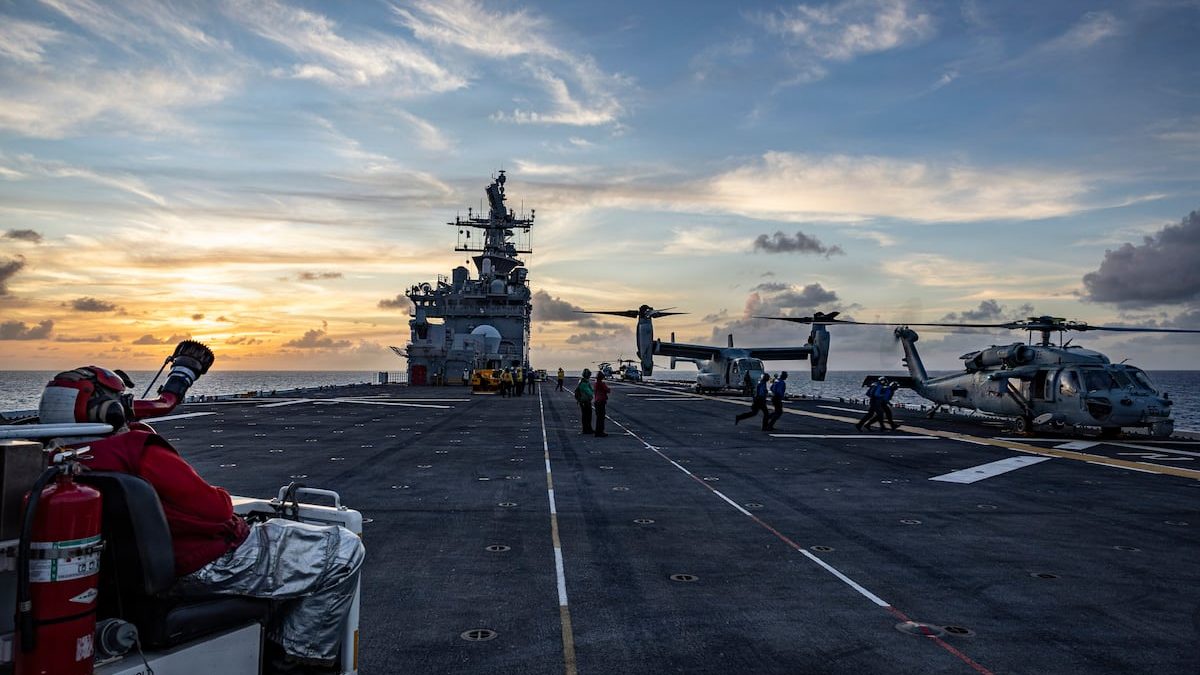
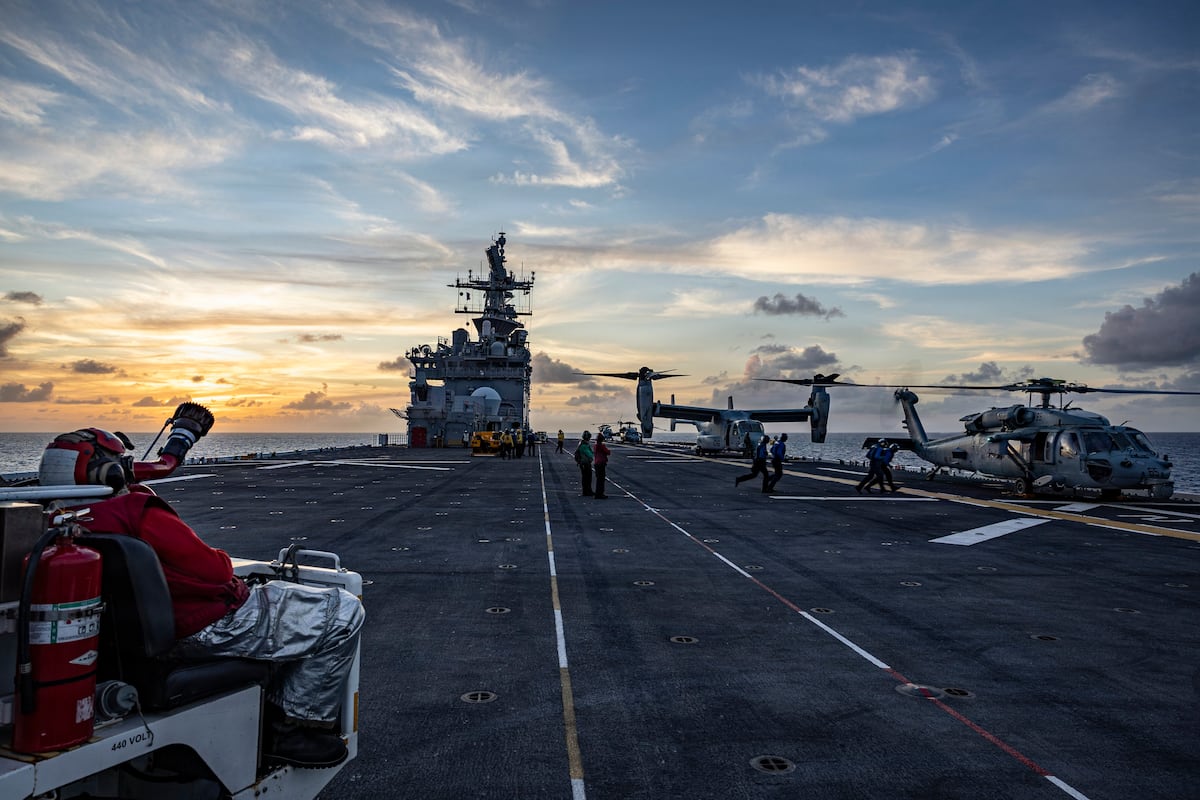
“A single robotic evaluation and digital rendering of a flight deck eliminated over three months of potential maintenance delay days,” the company release stated about one such procedure.
These measures have expedited maintenance “up to 50 times faster and more accurately than manual methods,” the company added.
“Readiness isn’t just a metric, it’s all that matters,” Jake Loosararian, co-founder and CEO of Gecko, said in the release. “This growing partnership is about unfair advantages Gecko is deploying to our Navy; and how prediction, through our robotics and AI products, ensure our brave men and women are the most advantaged in the world in their fight to defend freedom.”
In fall 2024, then-Chief of Naval Operations Adm. Lisa Franchetti unveiled a goal of having 80% of the Navy’s fleet ready to deploy at any given time by 2027.
Obstacles to reaching that goal materialized quickly, however, with a Government Accountability Office report in December 2024 highlighting a readiness rate among the Navy’s amphibious warfare ships of just 46% between 2011 and 2020. This rate, in turn, significantly hindered Marine Corps deployment and training plans.
In August 2025, that rate reportedly dipped to just 41%, resulting in a more than five-month gap in Marine Expeditionary Unit deployments that year and further straining resources amid the Trump administration’s push to counter the illicit drug trade in Latin America and the Caribbean.
The 80% plan, meanwhile, was picked up by Franchetti’s successor, Adm. Daryl Caudle, who called the rate “an ambitious but essential readiness goal.”
“Achieving this requires shorter maintenance cycles, increased spare-parts availability, improved training pipelines and targeted upgrades across the fleet,” Caudle wrote for Military Times in December.
“Readiness is not a budget line — it is a promise to the American people that their Navy will never arrive late to a fight.”
J.D. Simkins is Editor-in-Chief of Military Times and Defense News, and a Marine Corps veteran of the Iraq War.
Read the full article here