
The United States is moving to bolster air defenses across the Middle East, notifying Congress of more than $16.5 billion in potential weapons sales aimed primarily at countering missile and drone threats.
The packages include systems for the United Arab Emirates, Kuwait and Jordan, and range from advanced radar and air defense sensors to counter-drone technology and aircraft munitions, according to several statements released Thursday by the U.S. Department of State.
The notifications come as missile and drone attacks have intensified across the Middle East during the war with Iran, putting pressure on air defense systems used to protect U.S. forces and regional allies.
The State Department said the secretary of state determined that an emergency justified the immediate sale, allowing the administration to bypass the typical congressional review process under the Arms Export Control Act.
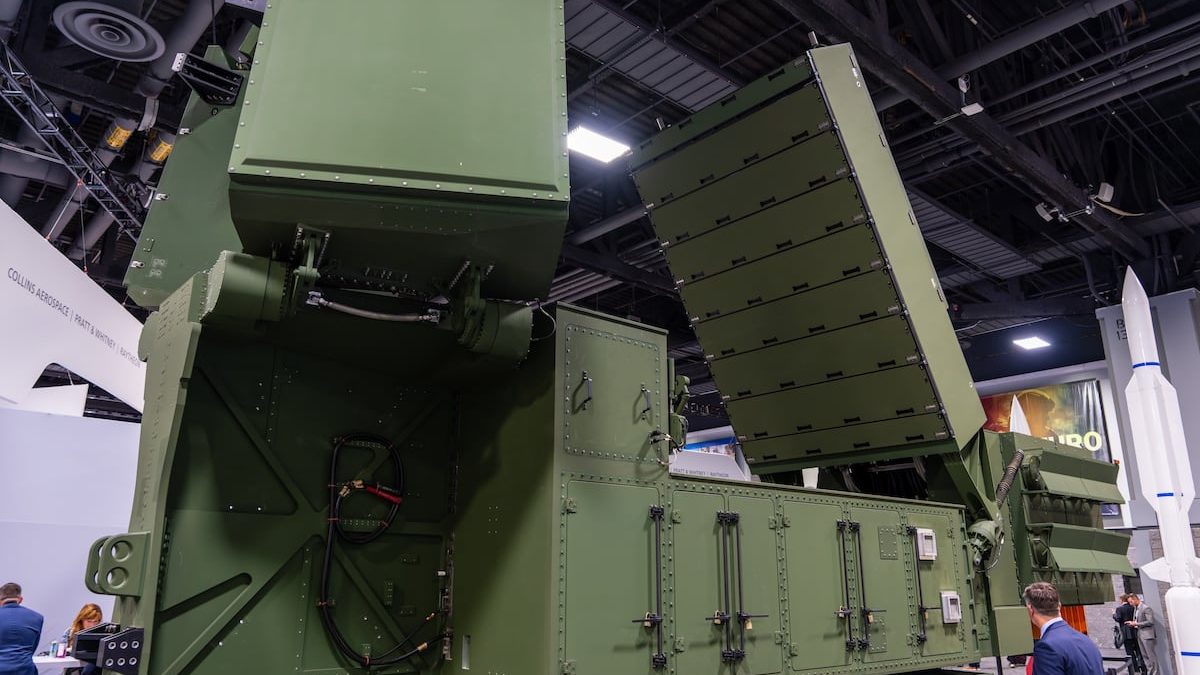
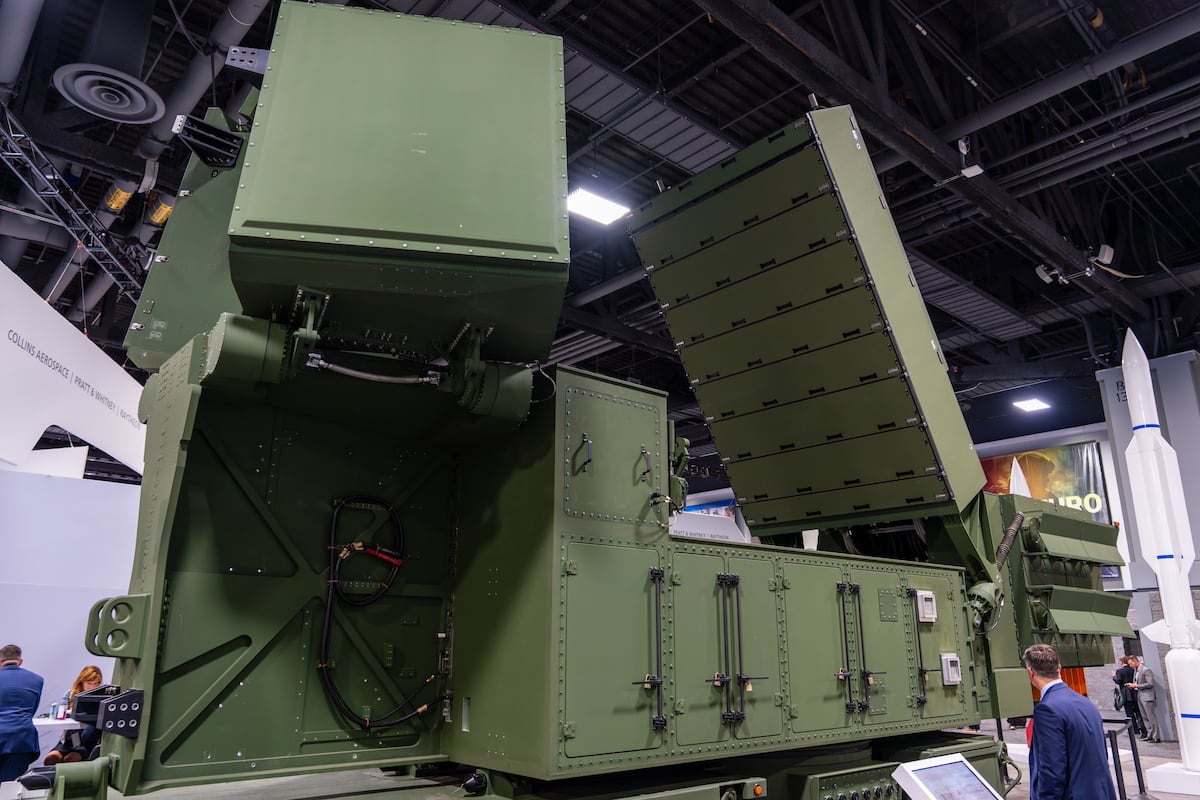
Among the proposed sales is a long-range radar for the UAE that is designed to integrate with its Terminal High Altitude Area Defense system, or THAAD, for $4.5 billion.
The UAE package also includes a $2.1 billion fixed-site system designed to counter small drones, as well as $1.22 billion in air-to-air missiles and a $644 million set of F-16 munitions and upgrades to support its fighter aircraft.
Separately, Kuwait would receive $8 billion in lower tier air and missile defense radars designed to detect shorter-range threats, while Jordan’s $70.5 million package focuses on aircraft repair and parts to maintain its existing fleet.
Together, the sales point to a broader effort to build layered air defenses that are capable of detecting and intercepting threats at different ranges.
The demand comes as U.S. air defense systems are being used at a rate analysts worry exceeds the pace at which stockpiles can be replenished.
Eve Sampson is a reporter and former Army officer. She has covered conflict across the world, writing for The New York Times, The Washington Post and The Associated Press.
Read the full article here