As the Navy builds out new career fields focused on operating drone boats and submarines, it’s repurposing special insignia pins taken from other job fields with similar requirements to recognize the work they do.
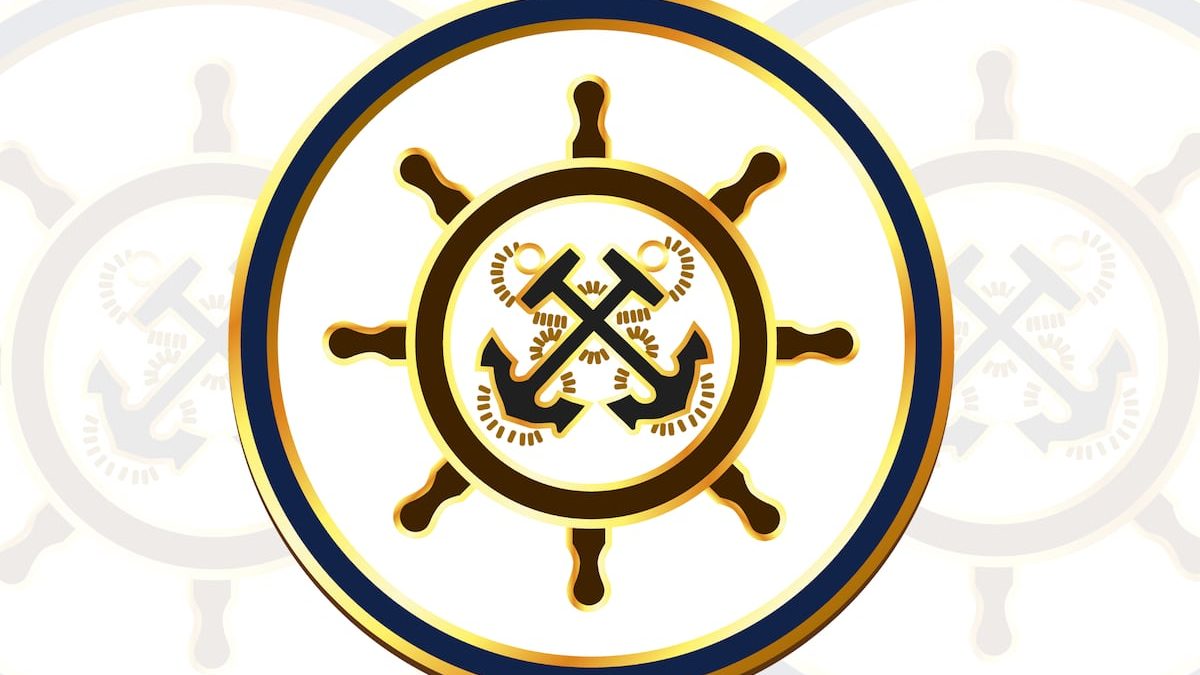
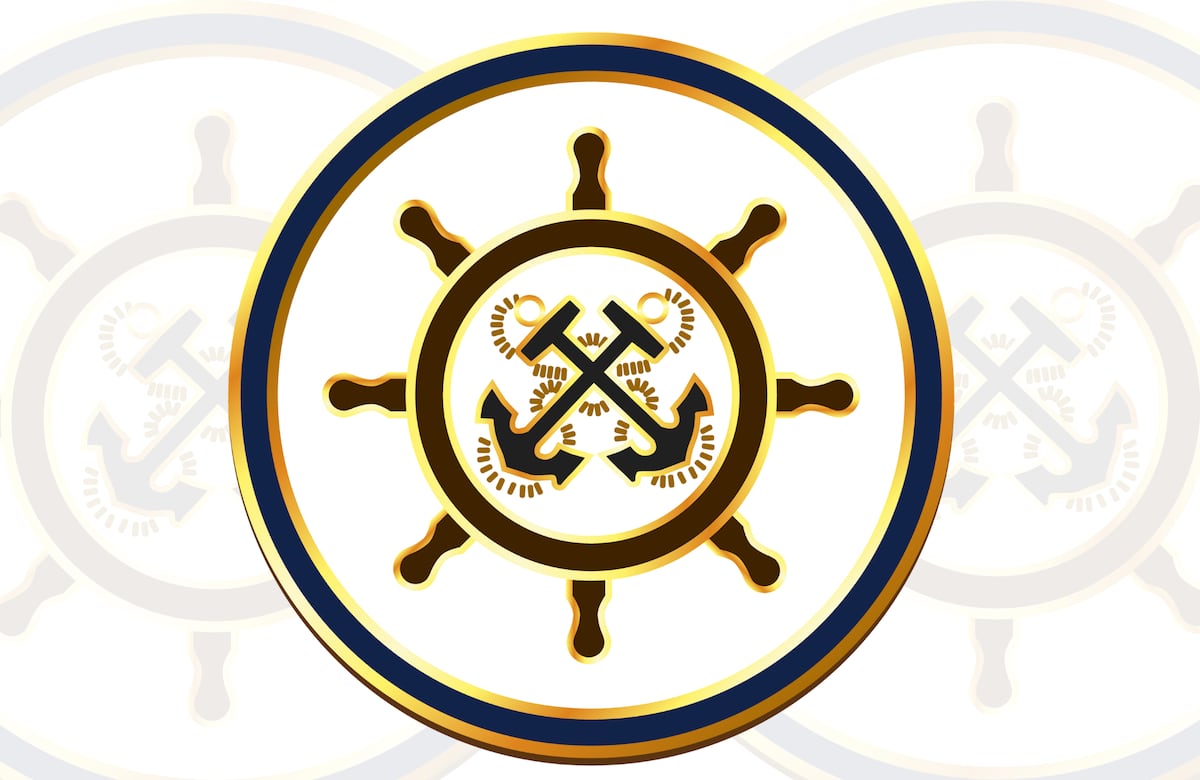
At the Surface Navy Association’s annual symposium in January, Lt. Miles Graham, commanding officer of the freshly established Chimera Detachment Alpha, revealed that his sailors were now earning the Craftmaster Insignia, a distinctive and rare device featuring a ship’s wheel and crossed anchors.
Chimera Detachment Alpha, activated in January, operates the Navy’s medium unmanned surface vessels including Sea Hawk and Sea Hunter; the DARPA-built no manning required ship Defiant; and two USVs from the Overlord program, Mariner and Ranger.
“Tons of folks at the unit are incredibly excited about earning their own Craftmaster pin,” Graham said at an unmanned warfare panel during the conference. “It’s basically a new competency that enlisted can work towards.”
The remark reveals a way the Navy has been quietly working to integrate unmanned warfare specialists into the fleet and align their work and skills development with other legacy capabilities.
According to Navy uniform regulations, the Craftmaster Insignia is awarded to enlisted sailors who “serve as officer in charge (OIC), petty officer in charge (POIC), or boat captain of independently operating non-combatant craft.”
The original regulation lists only four enlisted classification codes eligible for the device: tugmaster; landing craft air cushion operator; harbor/docking pilot; and landing craft utility craftmaster. LCACs and LCUs are unique amphibious vessels that carry sailors, Marines and equipment from ship to shore, or from one underway ship to another.
According to responses to queries from officials at Surface Development Group One, which oversees the unmanned vessel detachments, the Navy hasn’t made any changes to the Craftmaster Insignia or the requirements associated with earning it, but is interpreting the original requirements to cover a broader group of sailors.
“The skills and training required to operate [a medium unmanned surface vessel], while onboard, in and out of port meet the requirements for a Craftmaster qualified operator,” officials with the group said in a provided statement. ” The operators that successfully complete the training and the associated Craftmaster qualifications are eligible to receive the Craftmaster Insignia.”
Additional information suggested this was a stopgap measure as the Navy establishes both how USVs are most commonly operated and ways to recognize the work of the unmanned community specifically.
The statement noted that future MUSVs will likely be able to pull into and out of port autonomously, without needing a human operator to hop aboard and guide them in; that would likely change eligibility for a Craftmaster pin.
“Additionally, to recognize the contributions of the Unmanned Surface community, we do anticipate having an Unmanned Surface Vessel Operator AQD (Advanced Qualification Designation) but that is still in the process of being developed,” officials said.
The approach the Navy has taken to awarding the Craftmaster Insignia also underscores how decentralized the process of developing and awarding warfare devices can be. Officials with Naval Surface Force Pacific confirmed, in response to Military Times queries, that the Integrated Undersea Surveillance System Insignia is now being awarded to eligible unmanned undersea vessel operators.
That badge, a gold or silver breast pin featuring a seahorse and trident superimposed over a globe, was created in 1998 to recognize personnel, officer or enlisted, trained in sonar and undersea surveillance.
The IUSS commands are small and secretive due to the high classification of undersea surveillance. The original regulation governing presentation of the insignia limits eligibility to “personnel permanently assigned to an IUSS command as approved by the Type Commander.”
Lt. j. g. Rachael Jones, Naval Surface Forces spokeswoman, said type commanders are making the decisions about who is eligible for job-specific insignia, as has been true in the past. No new warfare insignia or rating-specific award is currently in planning for the robotics warfare community, she said.
But in a fledgling community with roles and responsibilities which may be more difficult to translate to the rest of the fleet than more conventional ship-related specialties, awarding an existing insignia with an established value may appeal to leaders.
“I think we’re trying to build ownership, so that you have sailors who are proud to operate a USV, or a group of USVs, and they know when that comes back, hey, they’re responsible for it,” Graham said. “They’re ready to get it to go again as soon as possible.”
Read the full article here